Buying a Home With a Private Well? What Every Homeowner Should Know
Buying a home with a private well comes with responsibilities that may not apply to properties connected to a municipal water system. Before completing a purchase, prospective homeowners should understand the condition of the well, the quality of its water, and whether it can provide enough water for everyday household needs.
A professional well inspection and water testing can help identify potential concerns before they become unexpected expenses.
1. Have the Water Quality Tested
One of the first steps when purchasing a property with a private well is having the water tested. Clear water does not necessarily mean the supply is free from contaminants. Testing can help identify potential concerns involving bacteria, nitrates, minerals, and other substances that may affect water quality.
It is best to have the water tested by a qualified laboratory using appropriate testing methods. Depending on the property's location and circumstances, additional testing may also be recommended.
2. Check the Well's Water Production
Water quality is only part of the equation. Buyers should also determine whether the well produces enough water to meet the household's needs. A well may provide good-quality water but still experience low production or difficulty keeping up with daily demand.
Water quantity testing, including a well yield test when appropriate, can help determine the well's production capacity. This information is especially important for larger households or properties with substantial water demands.
3. Review the Well's Age and Maintenance History
Ask the seller for available records regarding the well's installation, previous inspections, repairs, and maintenance. Knowing the approximate age of the well and its components can help buyers understand what may need attention in the future.
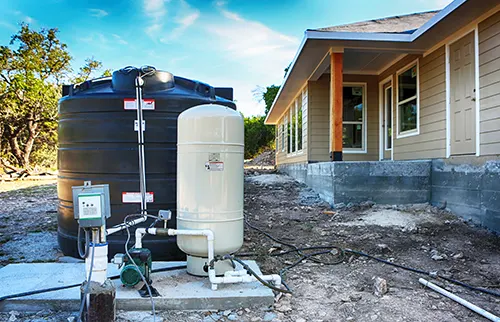
It is also worth checking the condition of the well casing, cap, pump, pressure tank, and other system components.
4. Understand Potential Water Quality Problems
Certain properties may have water quality concerns related to naturally occurring minerals, surrounding land use, or nearby septic systems. Depending on the location, homeowners may encounter issues such as hard water, elevated iron levels, unpleasant odors, or other water quality concerns.
Identifying these conditions before purchasing the property gives buyers a better opportunity to evaluate possible treatment options and associated costs.
5. Consider Future Water Needs
A private well should be evaluated based on both current and anticipated household demands. Future renovations, additional occupants, irrigation, and other water uses may increase demand.
Understanding the well's production capacity and the property's water requirements can help buyers make a more informed decision about whether the existing system is suitable for their plans.
Schedule Professional Water Testing Before You Buy
A home with a private well can be a great option, but understanding the water supply is an important part of the buying process. Evaluating both water quality and quantity can help uncover potential issues and provide a clearer picture of the property's water system.
Cliff Cummings Water Services helps homeowners address private well water concerns through professional water quality and quantity testing. Before purchasing a property with a private well, contact Cliff Cummings Water Services to discuss your testing needs and make a more informed investment decision.
Contact Cliff Cummings Water Services to learn more about professional well water testing.