Five Signs Your Reverse Osmosis System Needs Maintenance
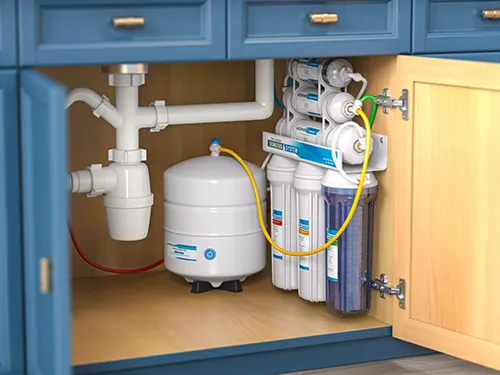
A reverse osmosis (RO) water filtration system is an effective way to improve drinking water quality by reducing various dissolved contaminants and unwanted substances. However, like any water treatment equipment, it requires regular maintenance to continue operating properly. Over time, filters can become clogged, membranes can lose efficiency, and system components may need attention.
If you rely on reverse osmosis for your home's drinking water, recognizing early signs of maintenance needs can help prevent performance issues and protect your investment. Here are five common signs that your reverse osmosis system may need professional attention.
1. Changes in Water Taste or Odor
One of the first things homeowners may notice is a change in the taste or smell of their filtered water. If your water begins tasting unpleasant or develops an unusual odor, it could indicate that one or more filters need replacement.
Pre-filters help reduce sediment, chlorine, and other substances that can affect water quality. When these filters become saturated, their effectiveness may decrease. A professional inspection can help determine whether filter replacement or additional maintenance is necessary.
2. Reduced Water Flow
Does your reverse osmosis system take longer than usual to fill a drinking glass? A noticeable decrease in water production may indicate clogged filters, a membrane that needs attention, low incoming water pressure, or an issue with the storage tank.
Although some reduction in flow can occur as filters age, persistent slow production should not be ignored. Having the system checked can help identify the cause and restore proper performance.
3. Changes in Water Quality Readings
If you use a total dissolved solids (TDS) meter to monitor your water, unexpected changes in readings may indicate that your reverse osmosis membrane is not performing as efficiently as expected.
The RO membrane is responsible for reducing many dissolved substances in the water. As it ages or becomes damaged, its ability to reject dissolved solids may decline. Periodic water testing can help determine whether the membrane is functioning properly.
Keep in mind that TDS readings alone do not identify specific contaminants or establish whether water is safe to drink. Additional testing may be necessary depending on your water source and concerns.
4. Unusual Noises or Continuous System Operation
Reverse osmosis systems generally operate quietly, so unfamiliar sounds or continuous operation may indicate a problem. Gurgling, unusual vibrations, or a system that appears to run longer than normal could point to drainage, pressure, storage tank, or automatic shutoff issues.
These symptoms may have several possible causes. A qualified water treatment professional can inspect the system and determine whether a component needs adjustment, repair, or replacement.
5. Visible Leaks or Moisture Around the System
Water pooling beneath your sink or moisture around the filtration unit is a sign that should never be overlooked. Leaks may result from loose fittings, worn tubing, damaged connections, or deteriorating seals.
Even a small leak can lead to water damage if left unaddressed. Check the area around your RO system periodically and arrange for an inspection if you notice persistent moisture or dripping.
Keep Your Reverse Osmosis System Performing Properly
Regular maintenance is essential for keeping a reverse osmosis system operating efficiently. Filter replacement schedules vary depending on the system model, water conditions, and household usage. The membrane also requires periodic evaluation to determine whether replacement is necessary.
Cliff Cummings Water Services helps homeowners address their water quality and treatment needs with professional water services. If your reverse osmosis system is showing signs of reduced performance, unusual water taste, or other operating concerns, having it evaluated can help identify the appropriate solution.
Don't wait for a minor filtration issue to become a larger problem. Contact Cliff Cummings Water Services to discuss your water treatment needs and keep your home's water system working as it should.


 Servicing in