
Health Risks of Long-Term Arsenic Exposure in Drinking Water
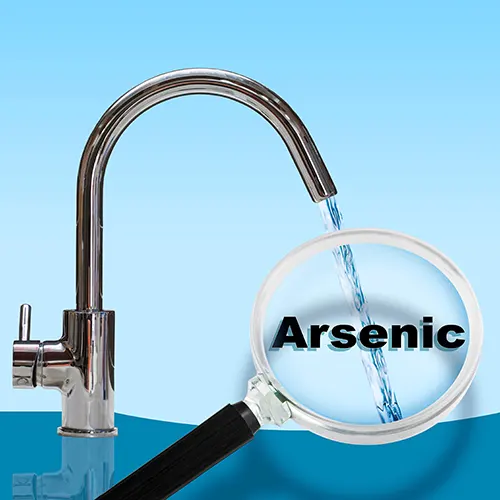
Arsenic in drinking water is a serious health concern because it is naturally occurring, invisible, and often undetectable without testing. It can enter private wells and groundwater supplies and may go unnoticed for years. Long-term exposure can lead to a range of chronic health problems that develop gradually over time.
Key Risks of Long-Term Arsenic Exposure
- Increased risk of cancers such as skin, bladder, lung, liver, and kidney cancer
- Skin changes including darkening, thickened patches, or lesion development
- Cardiovascular issues such as high blood pressure and heart disease risk
- Nervous system effects including numbness, tingling, and memory problems
- Developmental risks affecting pregnancy, fetal growth, and child development
Why Arsenic Exposure Is So Dangerous
Arsenic becomes especially dangerous because it accumulates in the body over time. Even small amounts in drinking water can lead to serious health effects when consumed daily for years. Since it cannot be seen, smelled, or tasted, many people are unaware they are being exposed until symptoms begin to appear. This delayed impact makes it one of the most concerning contaminants in private water systems.
Cancer and Long-Term Disease Risks
One of the most significant dangers linked to arsenic exposure is an increased risk of several types of cancer. Research has shown strong associations with skin, bladder, lung, liver, and kidney cancers. The longer the exposure continues, the greater the risk becomes, especially when contamination levels are higher than recommended safety limits.
Skin and Visible Warning Signs
In some cases, the body may show early warning signs through changes in the skin. These can include discoloration, rough or thickened patches, and small lesion-like growths. These symptoms typically develop after long-term exposure and may indicate ongoing internal damage.
Effects on the Heart and Nervous System
Arsenic exposure has also been linked to cardiovascular problems, including high blood pressure and reduced blood vessel function, which can increase the risk of heart disease. In addition, it may affect the nervous system, leading to symptoms such as tingling in the hands and feet, difficulty concentrating, and memory issues. These effects often develop slowly and may worsen with continued exposure.
Risks for Children and Pregnancy
Arsenic is especially concerning for pregnant women and young children. Exposure during pregnancy can affect fetal development and birth outcomes, while early childhood exposure may impact growth and immune system development. This makes safe drinking water particularly important for families with young children.
Importance of Water Testing and Treatment
Because arsenic cannot be detected without laboratory testing, regular water testing is essential, especially for private well owners. If arsenic is found, treatment options such as reverse osmosis systems or specialized filtration can significantly reduce exposure and improve water safety.
For homeowners seeking professional support, Cliff Cummings Water Services provides water testing and filtration services designed to identify contaminants like arsenic and recommend effective treatment solutions tailored to each household.
Final Thoughts
Arsenic in drinking water is a silent but serious risk due to its long-term health effects and lack of sensory warning signs. Routine testing and proper arsenic filtration are the most effective ways to protect your household and ensure safe, clean drinking water over time.