
How to Address Low-pH Well Water in Your Home
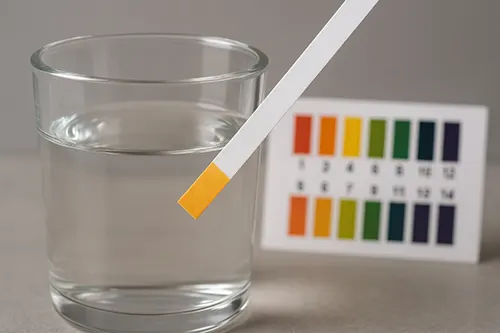
If you rely on a private well, water quality can change over time. One issue homeowners may encounter is low-pH well water, which means the water is more acidic than neutral. While pH alone does not tell you everything about your water quality, acidic water can contribute to corrosion and may affect plumbing components, fixtures, and appliances.
Fortunately, homeowners have options for addressing low-pH water. The right solution starts with understanding the water chemistry and identifying the appropriate treatment approach.
What Does Low-pH Well Water Mean?
The pH scale ranges from 0 to 14, with 7 considered neutral. Water with a pH below 7 is acidic. The lower the pH, the more acidic the water is.
Low-pH well water can occur naturally depending on the geology surrounding the well and the water's interaction with soil and minerals. Other factors can also influence water chemistry.
Because pH is only one part of overall water quality, testing is an important first step before selecting a treatment system.
Signs Your Well Water May Be Too Acidic
You may not always notice acidic water by its taste or appearance. In some cases, the effects become apparent through your home's plumbing.
Potential warning signs include:
- Blue-green staining around copper plumbing or fixtures
- Corrosion on faucets, pipes, or other metal components
- Plumbing leaks that seem to occur repeatedly
- Damage or premature wear affecting water-using appliances
- Water testing that shows a low pH
These symptoms can have other causes, so professional water testing can help determine whether acidity is contributing to the problem.
Why Can Acidic Water Be a Concern?
Low-pH water can be corrosive, particularly when other water chemistry factors increase its potential to interact with plumbing materials.
Over time, corrosion may affect metal pipes, fixtures, and components throughout the home's water system. In homes with copper plumbing, for example, corrosive water can contribute to the deterioration of the plumbing material.
Addressing the underlying water chemistry may help protect the plumbing system and reduce problems associated with corrosive water.
How Can an Acid Neutralizer Help?
An acid neutralizer is a water treatment system designed to raise the pH of acidic water. Many systems use a neutralizing media, such as calcite, to help bring the water closer to a desirable pH range as it passes through the treatment equipment.
However, not every low-pH water problem should automatically be treated with the same system. Water chemistry varies from one well to another, so testing can help determine whether an acid neutralizer is appropriate and whether additional treatment may be needed.
Start With Professional Water Testing
Before installing water treatment equipment, it is important to understand what is actually in your well water.
A professional evaluation can look at pH along with other relevant water-quality characteristics. Depending on the results, a water treatment professional can help identify an appropriate solution rather than relying on a one-size-fits-all approach.
Contact Cliff Cummings Water Services
Have questions about acidic well water or acid neutralizers? Contact Cliff Cummings Water Services to learn more about professional water testing and water treatment solutions for your home.