
What Are the Health Risks of Long-Term Arsenic Exposure?
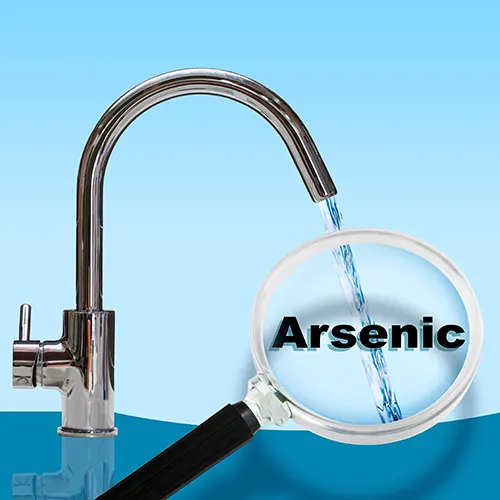
Arsenic is a naturally occurring element that can enter groundwater through rocks and soil. For homeowners who rely on private wells, arsenic contamination can be a concern because it has no noticeable taste, smell, or color. Without proper testing, it may go undetected for years.
Understanding the health risks of long-term arsenic exposure can help homeowners make informed decisions about their drinking water.
Potential Health Effects of Arsenic Exposure
Long-term exposure to inorganic arsenic through drinking water has been linked to several health concerns, including:
Increased cancer risk: Prolonged exposure is associated with cancers of the skin, bladder, and lungs.
Skin changes: Some people develop unusual skin pigmentation or thickened patches on their palms and soles.
Cardiovascular problems: Long-term exposure has been associated with an increased risk of heart disease.
Nervous system effects: Significant exposure may contribute to nerve-related symptoms.
Developmental concerns: Children may be more vulnerable to the effects of environmental contaminants.
The level of risk depends on the amount of arsenic present, the duration of exposure, and individual factors.
Why Well Water Testing Matters
Arsenic cannot be reliably detected by looking at or tasting your water. Laboratory testing is the best way to determine whether it is present and measure its concentration.
The U.S. Environmental Protection Agency sets a maximum contaminant level of 10 parts per billion (ppb) for arsenic in public drinking water systems. Private well owners should arrange appropriate testing to understand their water quality.
How Can You Reduce Arsenic Exposure?
If testing identifies elevated arsenic levels, an appropriate treatment system may help reduce exposure. Depending on the water chemistry, options may include reverse osmosis, ion exchange, or specialized arsenic filtration.
Treatment should be selected based on test results, maintained according to manufacturer recommendations, and verified through follow-up testing. Boiling water does not remove arsenic and may concentrate it.
Protect Your Drinking Water With Cliff Cummings Water Services
Knowing what's in your water is an important step toward protecting your household. Cliff Cummings Water Services can help homeowners explore water treatment options suited to their water quality concerns.
If you rely on well water and are concerned about arsenic, start with laboratory testing and use the results to determine the appropriate next steps.